Carers & suicide risk
Learn more about the risk of suicide that carers may experience, and what you can do if this affects you.
Understanding the risk
The risk of suicide and suicidal thoughts is much higher for unpaid carers, and higher still if someone you know or care for has attempted or died by suicide.
Here's what we know:
DO WE NEED SOURCES?
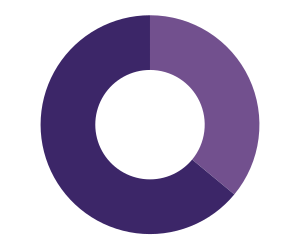
A third of carers said that they had thoughts of self-harm or suicide.
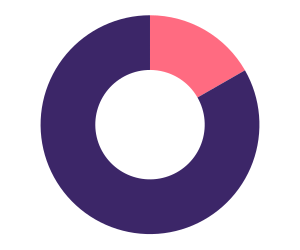
One in six carers are likely to attempt suicide.
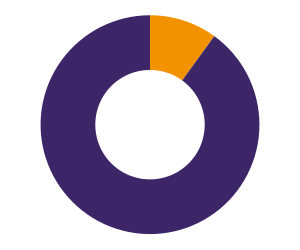
One in ten carers have already attempted suicide.
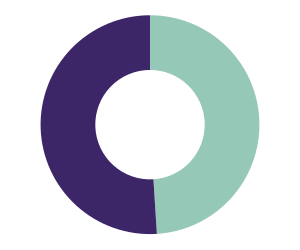
Fewer than half of carers told anyone they were feeling this way.
Why Carers are at higher risk of suicide
Whilst many risk factors affect suicidal ideation, there are some risk factors that are specific to carers.
Dissatisfaction with the caring role
Caring for someone can take a toll emotionally, physically, and socially. When the role feels unrewarding or overwhelming, it’s understandable to experience stress, fatigue, or even feelings of hopelessness.
Feeling trapped
Although there is no legal obligation to provide care, many people feel a strong moral or personal duty to do so. The ongoing demands of caring can be exhausting and may lead to burnout. Recognising this is an important step toward maintaining your wellbeing.
Experiencing conflict
Conflict is something many carers face, whether with professionals, family members, or services. These situations can lead to feelings of guilt, resentment, or confusion about what is expected of them. For some, cultural or religious expectations may add further pressure.
Isolation and entrapment
Caring responsibilities can make it difficult to maintain social connections, especially if a carer has had to give up work or other activities. Some may feel isolated or misunderstood, particularly when caring for someone with a stigmatised condition. Reaching out to others and maintaining connection can make a big difference.
Lack of access to healthcare
Carers often prioritise the health of the person they care for and may neglect their own. Limited access to medical or emotional support can lead to exhaustion or feeling alone.
Poor physical or mental health
When carers experience their own health challenges, the demands of caring can feel overwhelming.
Chronic pain, fatigue, or mental health issues can make coping more difficult and increase stress levels. Take time to rest and seek support.
It is important to remember that you are not alone and support is out there.
If you are ever in immediate danger or have the means to cause yourself harm, you should call 999 and request an ambulance. You can find more information, here.
How to tell someone that you’re struggling
Telling someone you are having thoughts about suicide is a brave act, and it can be difficult to do.
Sharing your feelings is important, though, because it is the first step toward finding help.
If you are feeling suicidal, you are likely feeling hopeless or helpless. Connecting with someone and sharing your feelings can help you feel supported and give you hope.
It can be a huge relief to share your feelings, because it means you no longer have to struggle alone.
Whilst reaching out can be hard, emotional support lines will not judge you, and they are ready to listen. The people there are kind. They provide a safe and confidential space to speak about your emotions.
Many of the people on these helplines understand what it’s like to have challenges with mental health. Because they have been through it too.
Here's some tips for starting to talk about how you feel:
Start small
You can say something like ‘I’ve been finding things hard lately,’ or “can I talk to you about something that’s been on my mind?’
Be honest
Share how you are really feeling. You do not have to explain everything at once
Use words that feel right
It’s okay to say ‘I am sad,’, ‘I am worried,” or ‘I do not know why I feel this way'.
Take your time
You do not have to rush. Talking can take courage, and that’s okay